The Energy Education Project of the Ethan Allen Institute (I am the director of the Energy project) has a new initiative: the Vermont Energy Land Use Report. We announced the report in the Ethan Allen Institute February newsletter, and I copy that announcement below. Later, there will be press releases and so forth.
To donate to preparing this report, click the Donate button on this blog or the Support Freedom button on the Ethan Allen Institute website. Please donate to help build a solid report which will be of interest to everyone in Vermont.
Energy Education Project Keeps Close Watch on Energy Issues
In the last few months, the Energy Education Project has focused in two main areas:
- Educating people about the value of the Vermont Yankee power plant, and encouraging them to testify in favor of the plant at the Public Service Board hearings
- Writing op-eds and letters to the editor about the economics of renewable energy and the problems with over-investing in these technologies.
Both these areas are the source of fierce debate within Vermont. Here's the gist:
Vermont Yankee:
 The Public Service Board must rule on a Certificate of Public Good for Vermont Yankee. The PSB evaluated this subject between 2008 and 2010, but then the Senate voted in 2010 to forbid the Board from releasing its findings. The Federal Court decision in 2012 told the state that it could not make decisions about nuclear plants based on nuclear safety. Nuclear safety evaluations are the purview of the Federal government.
At that point, the Public Service Board decided its docket about Vermont Yankee was contaminated with inappropriate material. It opened a new docket, and held two public hearings about the Certificate of Public Good. In general, anti-nuclear groups completely mob these hearings, often with many people from Massachusetts. The Energy Education Project encouraged supporters of clean efficient energy to come to the PSB hearings. Other groups (such as Associated Industries of Vermont and the main Vermont Yankee union) did the same. Therefore, the meetings had a high proportion (in one case, a majority) of plant supporters.
 |
| Plant supporters line up to make statements at hearing |
Since the supporters were not outnumbered, more of them chose to speak. We made an effort to have the Public Service Board hear both sides of the Vermont Yankee story, including the supporter side. That effort was successful. There were only two public hearings on this docket. Plant supporters were there.
Renewable Energy:
In 2011, newly-elected Governor Shumlin was "shocked" to discover that the state's energy plan assumed that Vermont Yankee would keep operating. His appointees at the Department of Public Service put together an ambitious energy plan: the state will use 90% renewable energy for everything (including home heating and transportation) by 2050.
 |
| Wind resource map of Vermont |
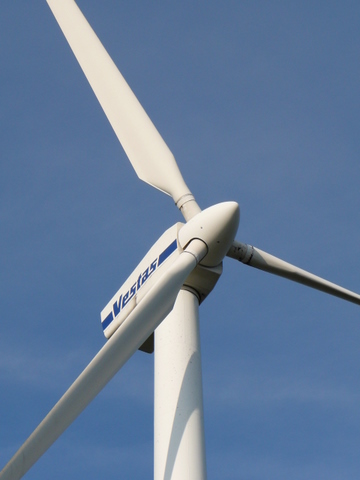 The new Comprehensive Energy Plan for Vermont has striking similarities to the German plan. The Energy Education Project has written several op-eds about this issue.
 We will write a white paper in the near future about the land use consequences of the current Vermont Energy plan. Renewables are not only intermittent, they are diffuse energy sources, and require a lot of land to make a relatively small amount of power. Land use has only been addressed in a fragmentary way in the media, and we will rectify that.
--------------------
The Energy Education Project
I am director of the Energy Education Project of the Ethan Allen Institute. The Ethan Allen Institute was founded in 1991 and is Vermont's independent, nonpartisan, free-market-oriented public policy think tank. The Institute was kind enough to take my interest in Energy Education seriously, and form a Project under the general heading of the Institute. We founded the Energy Education Project of the Ethan Allen Institute in September, 2010. Here's my blog post about the Energy Education Project launch.
The Ethan Allen Institute just revitalized its website, to a great, modern site. I encourage you to visit ethanallen.org. The new site is attractive and very easy to navigate! Most of the topics are far removed from energy, but I expect energy will be higher on the agenda in the near future. You can donate to the Ethan Allen Institute by clicking the "support freedom" button on the web page.


